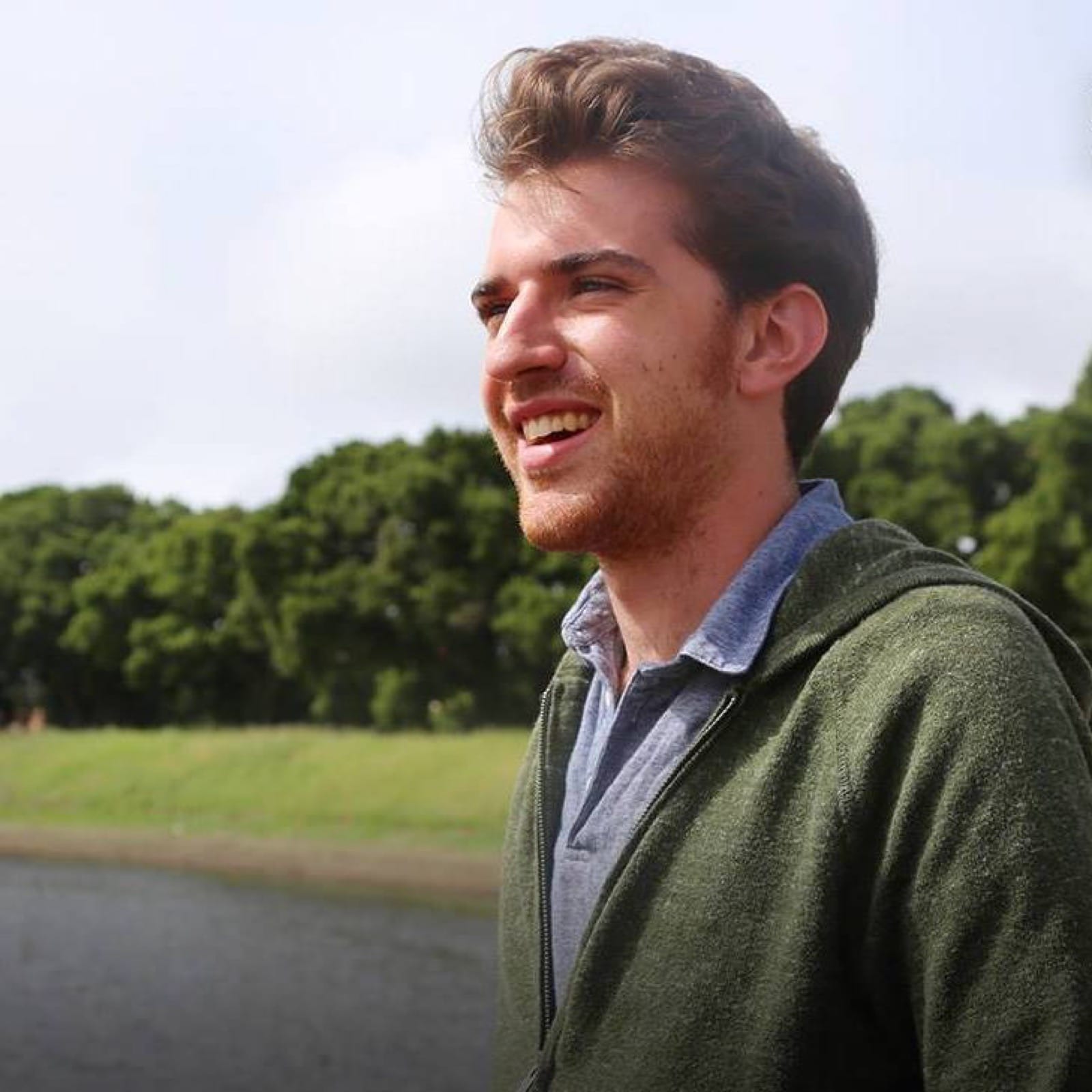
Humans of SymSys: Matthew Libby
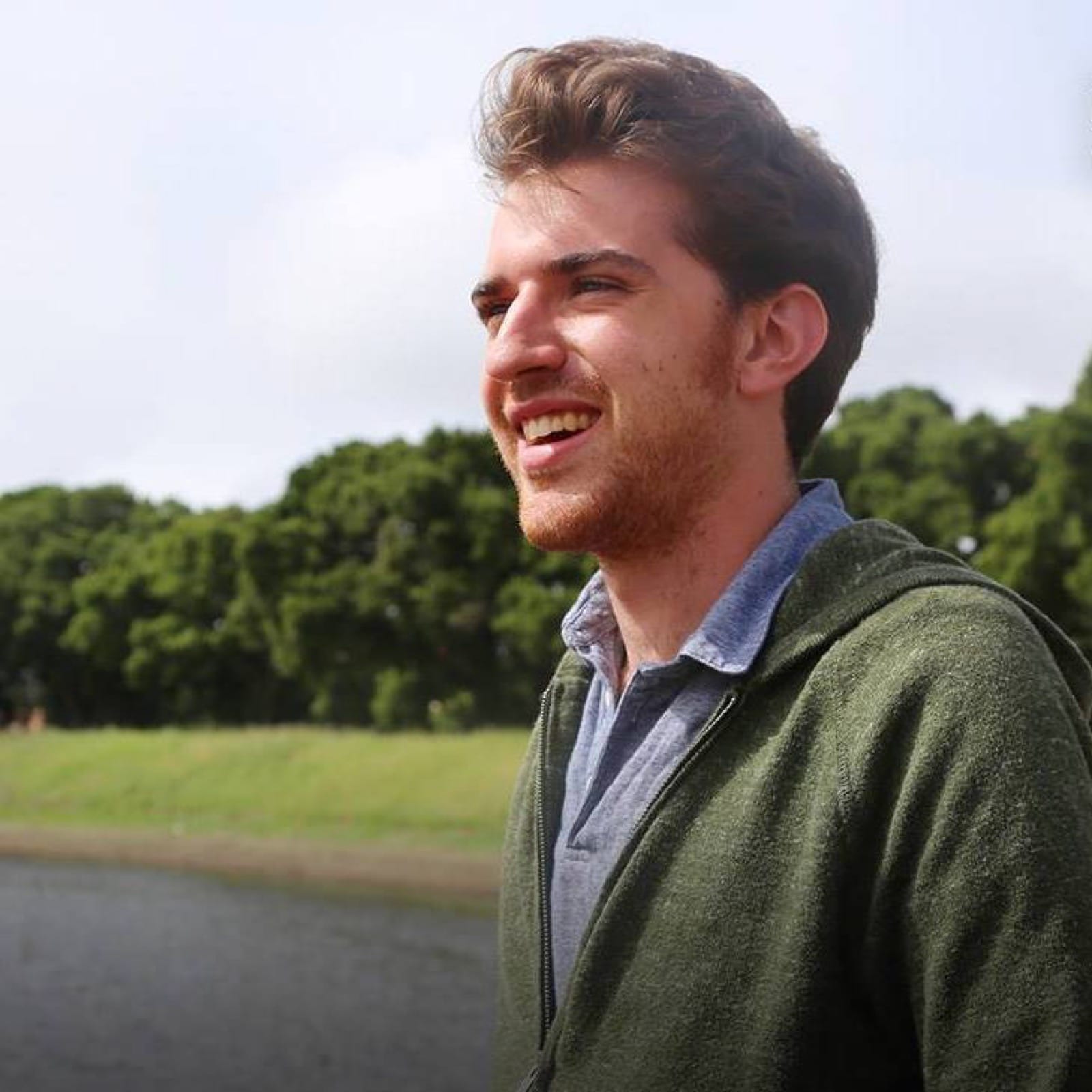
“I’m really interested in the ways that emerging tech, the human brain, and art can interact. Tech has already revolutionized everything from film to music to sculpture – but what happens when those human-computer artistic teams become more computer than human?”
Matthew is a recent grad who majored in Symbolic Systems with a concentration in Cognitive Science and a strong interest in the arts.
Introduce yourself: I graduated from Stanford in June, and am now living in Los Angeles. On campus, I acted and directed for Shakes, worked on Gaieties, was a tour guide, and RA’ed in Burbank. These days, I’m pursuing a career in the film industry.
What drew you to the SymSys major? Why did you pick SymSys as opposed to other (especially, related) majors?
I’ve always been someone who loved both STEM and the humanities. Though I’ve wanted to work in the arts professionally as long as I can remember, I loved taking math classes and others that are more analytic in nature. I knew I wanted to continue that at Stanford – and in SymSys I found a program that combined subjects I was interested in, in ways that I knew would satiate my intellectual curiosity.
What’s your favorite SymSys-related class that you’ve taken so far?
Human Behavioral Biology with Robert Sapolsky was my favorite class I took at Stanford, period. Not only was the material fascinating, but it exemplified the interdisciplinary mindset that made me enjoy SymSys so much: in that class, looking at a subject from multiple points of view gave me a clearer sense of the subject than looking at it from just one would have.
Are you involved in research? If so, tell us about a project you are working on:
I never did research in the SymSys department, but my senior year I participated in the Arts Institute’s Honors in the Arts program, where I wrote a full-length stage play for my thesis. The play was about artificial intelligence, namely artificial creativity, and speculates a future in which we can’t tell human art from machine art. I did a lot of research for the project – mostly into Generative Adversarial Networks (GANs), which are super cool – and my SymSys education was instrumental into creating it.
What underlying questions and issues do you hope to tackle/learn more about through SymSys?
As my thesis might indicate, I’m really interested in the ways that emerging tech, the human brain, and art can interact. Tech has already revolutionized everything from film to music to sculpture – but what happens when those human-computer artistic teams become more computer than human?
What’s the coolest (loosely) SymSys-related topic that you’re excited about right now?
With all my newfound time post-graduation, I recently started reading Douglas Hofstadter’s insane 750-page opus Gödel, Escher, Bach. It’s a great SymSys supplement if you have the time to dig into it!
Matthew is one of many profiles featuring selected alumni, undergraduates and graduates who are involved in the Symbolic Systems community.